

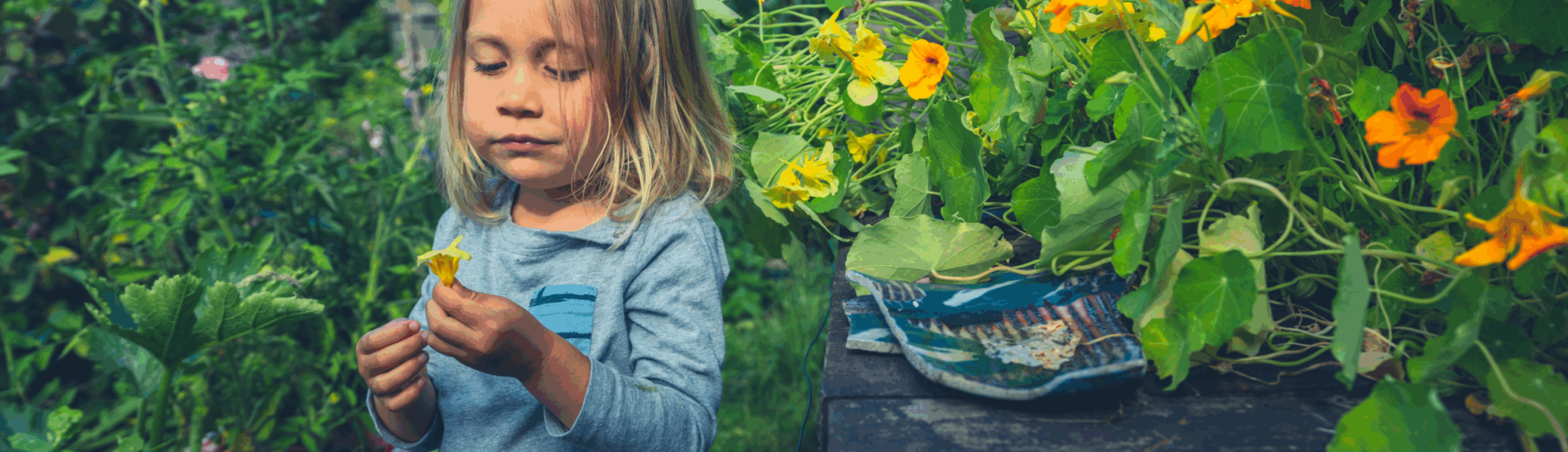
Sustainable gardens are a great resource for childcare centres to teach children environmental and sustainable values. If your childcare centre has the space, a sustainable garden can grow your bank of activities and encourage outdoor play with a purpose.
Outdoor Learning Space
As children spend more and more time on their devices, many lose their connection to learning and playing outdoors. Sustainable gardens support children’s physical health, emotional wellbeing, and cognitive development in ways that indoor activities can’t replicate.
Connection to Nature
A sustainable garden provides children with hands-on learning activities that engage all the senses, from exploring the appearance and scent of different herbs to growing the vegetables they will eat at lunch. They also teach valuable lessons about protecting nature and living in harmony with the bugs and birds that hang around the garden. A sustainable garden can foster a lasting connection to their outdoor environment.
Key Elements of a Sustainable Garden
Composting Systems: Composting bins turn food scraps into rich soil, demonstrating the natural cycle of growth and decay. Children learn that waste can become a resource, and they take pride in creating something useful for their garden. You’ll also save on your waste bill – we know the kids make a lot of it!
Rainwater Collection: Rain barrels connected to downspouts can collect and store water for the garden, teaching children the usefulness of water conservation. Children learn to understand that we can work with nature, rather than relying on our limited dam water during droughts. Children can watch the barrels fill after rain, learning how the sustainable system works and starting to think about the importance of environmental engineering.
Native Plants and Pollinator Gardens: Native species support local ecosystems, use less water, and are much lower maintenance than vegetable plants. Watching bees, butterflies, and birds visit flowering plants helps children understand the interconnected systems of living things and the importance of biodiversity. You can also use native plants to teach them Indigenous ways of thinking and living with Country.
Edible Gardens: Growing vegetables, herbs, and fruit teaches children the origins of the food on their plate. Edible gardens give children agency over their food and encourage them to eat healthier, locally grown foods. The excitement of harvesting cherry tomatoes or strawberries even gets picky eaters on board.
Natural Play Elements: Incorporating logs, stones, and natural materials for building and imaginative play reduces your centre’s reliance on play equipment while stimulating creativity and problem-solving skills in a natural environment. Children can engage safely in risky and imaginative play and develop their relationship with nature.
How to Create a Sustainable Garden
- Plan your plants: Do you want an edible, native, or combination garden? What level of maintenance are your staff and children able to commit? Growing bush tucker offers the best of both worlds – low maintenance, edible, and part of our native ecosystems. Consider species like coastal rosemary, native ginger, and finger lime.
- Prepare your space: Native plants thrive on neglect, but food crops need a little more love. You may need to build raised garden beds and improve your soil with fertiliser or manure.
- Plant with the kids: Buy your plants and get the kids involved with planting them in the garden!
- Maintain sustainably: Use sustainable methods to prevent pests, such as encouraging natural pest predators with specific plant species, or deterring pests using aromatic plants. Avoiding chemicals not only supports life in your garden, it’s also healthier for the children.