

In 2026, energy efficiency is not optional — it is smart business practice. Energy costs remain one of the most significant overheads for small businesses. Regardless of the type of business you are: cafés, restaurants, retail shops, childcare centres or office-based, improving energy efficiency is no longer just an environmental initiative — it is a core business strategy.
Reducing energy consumption lowers operating costs, improves resilience against price volatility, and supports your pathway to net zero emissions. Energy efficiency directly reduces operating expenses. For many small businesses, even a 10–20% reduction in electricity consumption can significantly improve margins. Beyond cost savings, energy efficiency strengthens your brand, supports emissions reduction goals, and positions your business as forward-thinking and responsible.
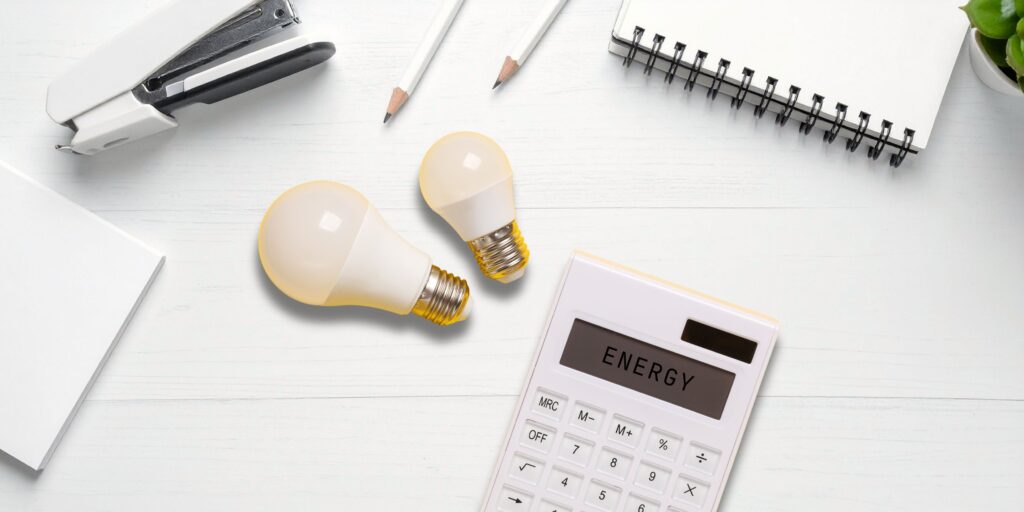
If your business would like support identifying energy-saving opportunities or navigating available rebates, the Better Business Partnership team can help you take the next step.
Why Energy Efficiency Matters
Electricity prices in NSW have fluctuated in recent years, and for energy-intensive businesses, power bills can materially affect profitability. Focus on Energy efficiency delivers:
- Lower operating costs
- Improved equipment performance and lifespan
- Reduced emissions
- Stronger sustainability credentials with customers
- Better alignment with ESG and supply chain expectations
For many small businesses, efficiency improvements pay back faster than expected.
Start with Monitoring: You Can’t Manage What You Don’t Measure
Understanding your energy use is the foundation of improvement.
Small businesses begin by:
- Reviewing quarterly bills
- Comparing seasonal usage
- Identifying peak demand periods
- Tracking usage month-to-month in a simple spreadsheet
- Smart meters and retailer portals often provide half-hourly usage data, allowing you to identify energy spikes and waste.
Higher Energy Users may benefit from a professional Level 2 energy audit. A qualified auditor can:
- Analyse load profiles
- Identify equipment inefficiencies
- Recommend plant upgrades
- Quantify savings and payback periods
These audits provide a structured roadmap for reducing consumption and future-proofing operations.
Practical Steps to Reduce Energy Use
Many efficiency improvements are low cost and quick to implement.
Lighting
- Upgrade to LED lighting
- Install motion sensors in storage areas and bathrooms
- Maximise natural daylight where possible
- Heating, Cooling & Refrigeration
- Service HVAC systems regularly
- Clean filters and condenser coils
- Install programmable thermostats
- Ensure fridge and cool room door seals are intact
- Equipment Upgrades
- Replace ageing appliances with high energy-rated models
- Transition from gas to high-efficiency electric equipment where feasible (Click HERE for more information on Electrification).
- Install induction cooktops in commercial kitchens
Local councils and the NSW Government periodically offer rebates or co-funding programs for energy-efficient upgrades. These can apply to lighting retrofits, HVAC systems, refrigeration, electrification and solar installations.
Ask your BBP officer about council rebates and NSW government business energy programs for current incentives.
Staff Engagement and Energy Efficiency
Staff Engagement is Critical
Technology alone will not deliver full savings. Energy efficiency must be embedded into daily operations:
- Train staff on switching off equipment when not in use
- Assign responsibility for end-of-day shutdown procedures
- Display simple “energy awareness” reminders
- Share energy performance updates with your team
When staff understand the cost impacts and environmental benefits, behaviour change becomes embedded in workplace culture.

If you would like more guidance, the Better Business Partnership team can help you navigate the next steps toward energy efficiency.