

Let’s face it, children create a lot of waste. Play activities produce masses of paper scraps and spent markers, while picky eaters leave plenty of food on their plate when the menu doesn’t suit them. Luckily, there are many ways to save your waste from the bin and reuse it for sustainable activities.
Food Waste
One of the largest waste streams in childcare centres is food waste. The easiest way to recover food waste in your centre is to use a compost bin. You can use the compost in a sustainable garden or share it with your children’s families. The best action, however, is to reduce food waste from the source. This means planning your menus based on what your children have shown they enjoy and using the trimmings and offcuts inside menu items.
BBP can help you find the biggest offenders with a free waste review (valued up to $300). If your centre will be affected by the EPA’s Food Organics and Garden Organics (FOGO) mandates, this is a perfect opportunity to prepare your compliance strategy, but any centre can take advantage of this service.
Paper and Cardboard Waste
It seems like everyday you end up with a mountain of paper in the recycling bin. Most indoor activities produce paper waste, and cardboard waste is common from buying supplies and food. Save your scraps in a cardboard box and use them in more frequent multimedia art activities, like papier mache or collages. Children love being creative with these more complex art styles, and you’ll give them a break from the everyday drawing or colouring-in activities. To store paper more effectively and create another activity, have children make ‘confetti’ or ‘paper glitter’ by cutting paper scraps smaller. If you can’t think of a way to use odd trimmings, you can always add them to your compost or donate them to a community garden for theirs.
Plastic Waste
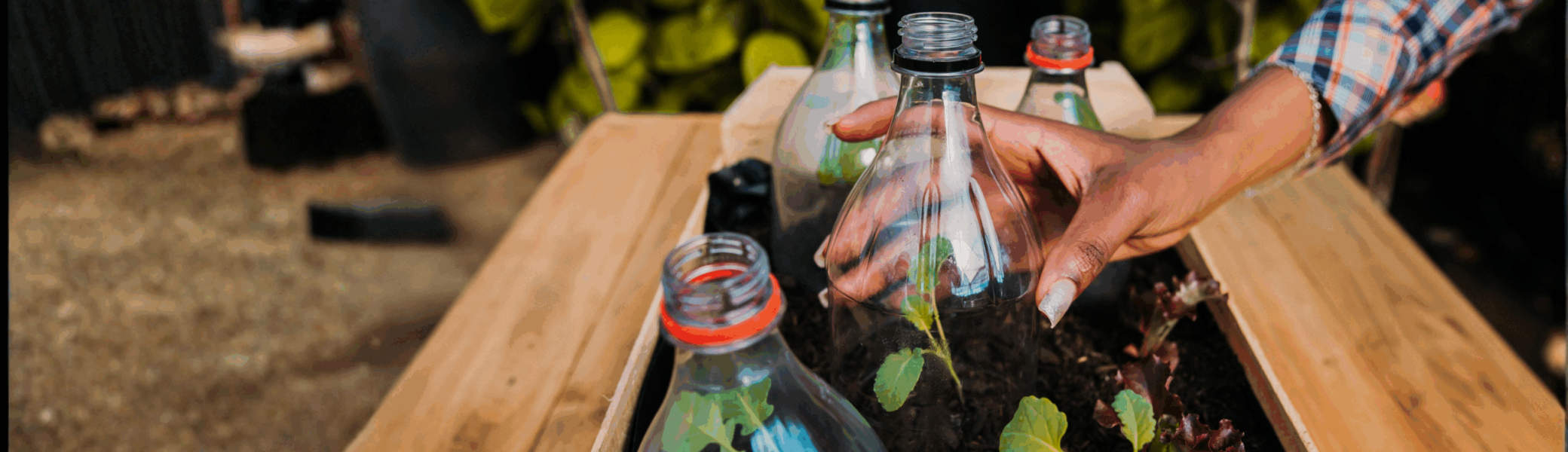
Plastic seems like another endless waste stream, from both the kitchen and the craft area. The first solution for clean plastic items is to reuse them in creative craft activities. Children can build sculptures, dioramas and painted multimedia artworks to let their creative ideas flow, combining lessons in sustainability, such as a jellyfish sculpture using plastic bottles or jugs. For excess items, try to recycle them, in the commingled recycling. For hard to recycle items look at the BRAD scheme offered by BANISH. Soft plastic is also able to be dropped off at the local Woolworths store for recycling.
Read more about the Woolworths Soft Plastic Recycling Trial HERE.