

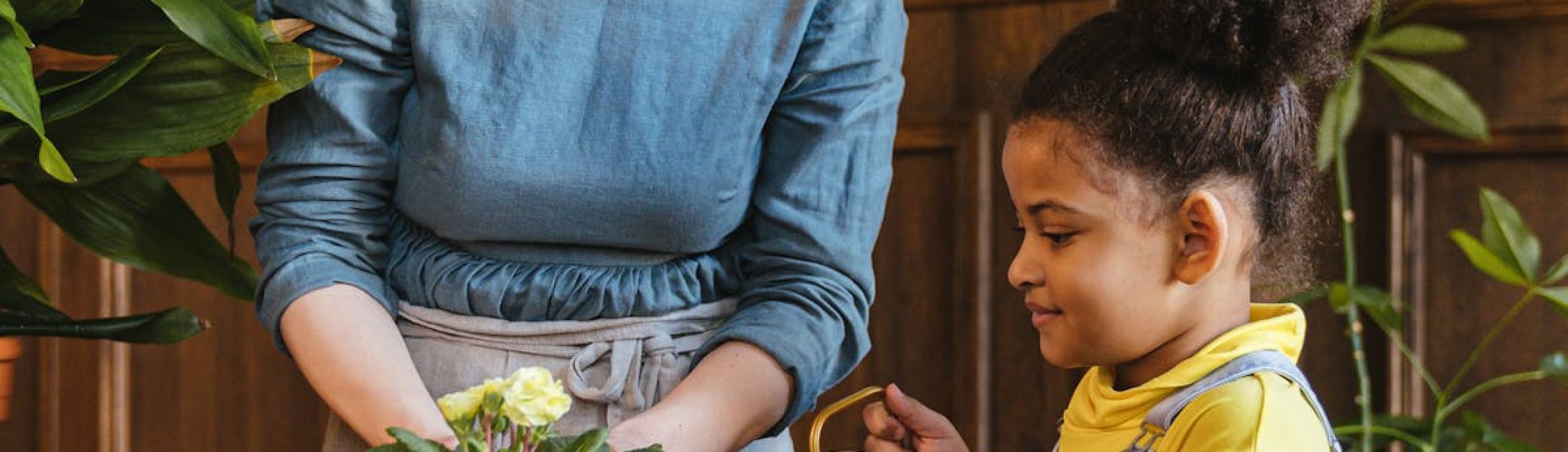
While coming up with sustainable activity ideas for your centre can seem easy, actually teaching sustainably involves much more. Sustainable education needs to be tailored to your children’s age, interests and culture. Country and places they are connected to should be at the centre of this process, to foster your children’s inquisitiveness and relationship with the natural and built world around them.
A Practical Approach
The Whole Centre Approach (WCA) is a framework for building sustainability across all aspects of your centre. Teaching is most effective when supported by role modelling.
The Whole Centre Approach splits your sustainability across the following aspects:
- Culture: Educators, leaders and children should share in a sustainable philosophy and encourage each other to improve their practices. Role modelling is a great way to raise interest within your centre.
- Curriculum: Learning should always involve an aspect of sustainability, whether that means using sustainable materials, or having an entire activity dedicated to learning how to protect the environment.
- Facilities and Operations: When your centre is sustainable, you’re teaching from a place of knowledge sharing. This improves your centre’s tangible sustainability, saves you money on waste and energy, and proves you’re taking the steps you’re teaching.
- Leadership: Sustainability champions advocate for action in their workplace and motivate the whole team. Leadership does not have to come from your managers, but a supportive leadership team can guide your centre to success as they implement sustainable practices.
- Community Engagement: Sustainability doesn’t stop at your centre’s property boundary. Your centre is a community hub for families and can spread sustainability initiatives widely by getting families informed and on board.
Use these to evaluate your centre’s sustainability, along with our sustainability assessment guide. From there, you can come up with solutions that help you teach sustainably and role model sustainable practices.
Sustainable Materials
Your activities are the building blocks of how you teach your children, whether they are play-based or more directed. Making sure the activities themselves are sustainable by using recycled or recovered materials and minimising your waste is the most basic step to sustainable teaching in childcare.
Subject Matter
Activities should be age-appropriate and involve children of all abilities to be not only environmentally sustainable, but also socially sustainable. Young children may not understand the significance of sustainability and the activities they’re learning, but it’s important to introduce them to the basic concepts and start building sustainable habits. When children develop sustainable lifestyles from a young age, they grow with the mindset of protecting their environment and have greater agency to advocate and create positive change.
Building Agency in Your Children
By teaching children about sustainability in their youth, you empower the future generations for the rest of their lives. To achieve such a long-lasting outcome, your sustainable learning activities need to involve children in every aspect, from planning to execution and review:
- Develop sustainable activities in consultation with children.
- Have children share their family’s sustainability efforts to build a knowledge bank of solutions.
- Engage children in brainstorming, deciding and implementing sustainable projects for the centre.
- Let children explore creative and innovative ideas, no matter how extravagant. This could range from drawing a simple design to guiding a new practice.
- Encourage children to teach their families about what they have learnt at pick-up and at home.
As children participate in age-appropriate levels of each engagement, you build their agency and confidence in problem solving. This is the ultimate goal of sustainable teaching, to prepare children to live sustainably and create sustainable change in their adulthood.
A Sustainable Curriculum
Authentic Learning Grounded in Children’s Interests
Sustainability education is most powerful when it is authentic and connected to children’s lived experiences. Topics should emerge from the interests of each group of children rather than being imposed. One effective approach is using a children’s sustainability audit, which helps raise awareness of everyday practices while also uncovering local issues that matter to children and their community.
Using Provocations to Deepen Learning
Everyday life provides constant provocations for learning — moments that prompt curiosity, questions, and deeper thinking. These provocations encourage educators and children alike to seek further understanding, explore cause and effect, and consider the broader impacts of human choices on the environment and society.
Navigating Ethical Dilemmas in a Changing World
Educators are increasingly called to reflect on the ethical implications of new technologies and decisions. For example, while tools such as artificial intelligence are rapidly being adopted, it is important to question their environmental impact, including the significant water and energy use required by data centres. Applying a sustainability lens helps educators consider how we move forward thoughtfully, particularly in a country like Australia where water scarcity and the transition to renewable energy remain critical challenges.
What Are the Main Ways to Incorporate Sustainability into the Early Learning Sector?
Teaching the Four Big Ideas
A powerful way to embed sustainability in early learning is through a curriculum framework built around four core ideas that help children understand their place in the world:
- There is only one Earth, and it is our home
- We share this home with many living species and natural systems
- The Earth provides everything we need to live and thrive
- Because the Earth cares for us, we have a responsibility to care for the Earth
These ideas support children to move beyond a mindset of individual consumption and towards an understanding of interconnection, responsibility, and reciprocity.
Helping Children See Themselves as Part of the World
When these concepts are integrated into everyday curriculum experiences, children begin to see themselves as active participants in the world, rather than separate from it. Sustainability learning shifts away from “everything is for me” towards an understanding that the Earth’s gifts must be shared and cared for so that all people, species, and systems can remain healthy.
Auditing Practices and Planning for Change
Services are encouraged to audit their sustainability practices as part of self-assessment and embed actions into their Quality Improvement Plans (QIPs). These plans should be reviewed annually, recognising that sustainability is not a destination but an ongoing journey of learning, improvement, and reflection.
Using the Head, Heart and Hands Model
When planning for change, the Head, Heart and Hands model can be a useful framework:
- Head – Building knowledge and understanding through critical reflection
- Heart – Developing values, care, and genuine connection to community
- Hands – Embedding sustainable practices into everyday actions and routines
This approach aligns strongly with the National Quality Standard Exceeding themes, particularly critical reflection, meaningful engagement with community, and sustained, embedded practice.
Learning Together Through Networks
Joining sustainability-focused networks and programs — such as BBP programs and early learning sustainability groups — helps educators stay inspired, share ideas, and learn from the work happening across the sector. These communities of practice remind us that we are not working alone and that collective action strengthens impact.